Independent AI advice for businesses and organisations
Understand AI.Decide with confidence.Put it to good use.
I help management, business teams and IT assess possible uses of AI, evaluate offers and plan next steps. My experience in development, integration and operation helps me check whether recommendations can be put into practice: what fits your workflows, which prerequisites are missing and what effort will everyday use involve?
Bring me in for a specific decision or as an ongoing independent adviser, including when your IT team or another provider handles implementation.
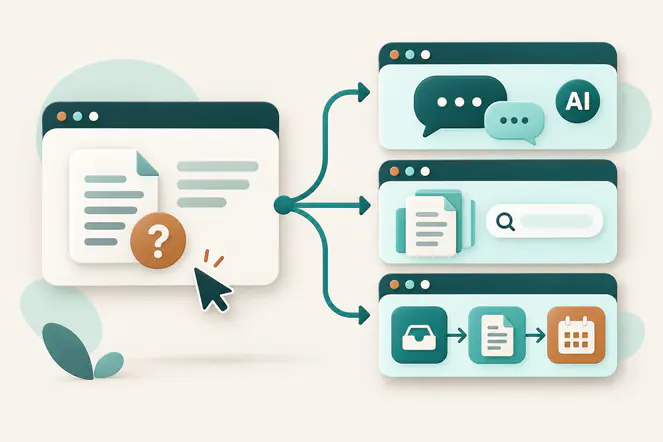
We start with your task. Whether existing software, an external AI service, a local solution or automation without AI: what matters is how it fits your goals and resources.
Strategy and priorities
I help you discover initial uses for AI and build or develop an AI strategy. We clarify goals, look at your workflows and compare possible applications in terms of benefits, effort and prerequisites.
You can set priorities and plan the next steps: which tasks deserve a closer look, what needs clarifying first and where would a simpler approach suffice?
AI solutions and infrastructure
I compare existing applications, external AI services and solutions on your own or rented systems. Combining these options may also be useful. This includes choosing suitable hardware, from individual workstations and compact AI systems to servers. We consider data paths, integration with your IT and the effort and costs of setup and operation.
You can decide which solution fits your tasks, which existing technology can be used and what needs clarifying before a purchase or introduction.
Knowledge and documents
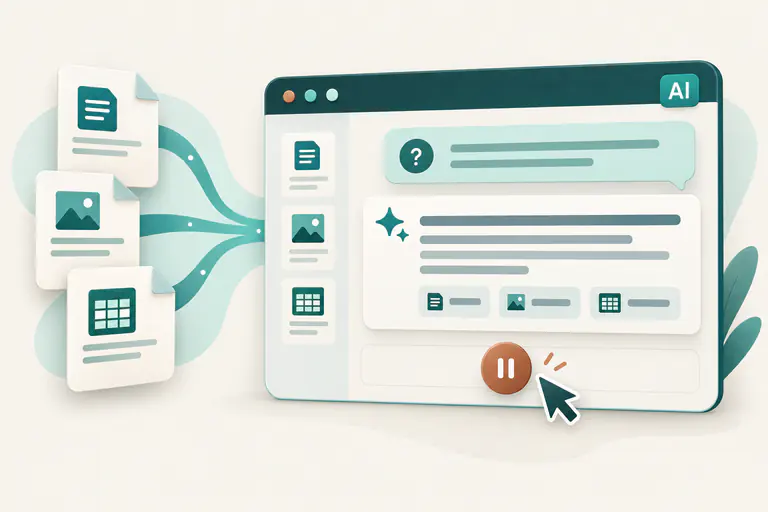
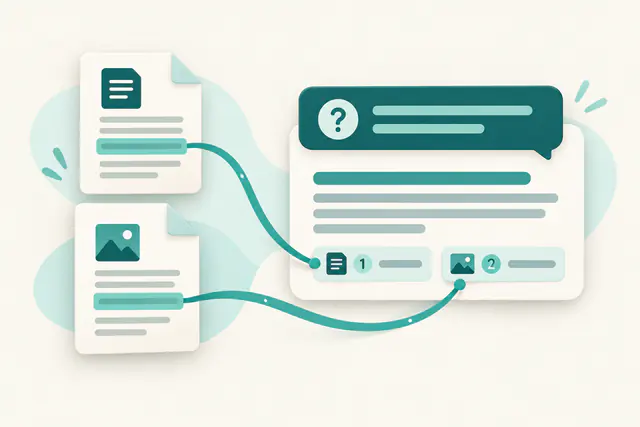
I assess how approved documents can support search and traceable answers. We look at typical questions, the quality and currency of information, access rights and source references.
This clarifies which information can usefully be made accessible, where foundations are missing and how your team can check answers. It also includes when the application should ask for clarification or leave a question unanswered.
Processes and automation
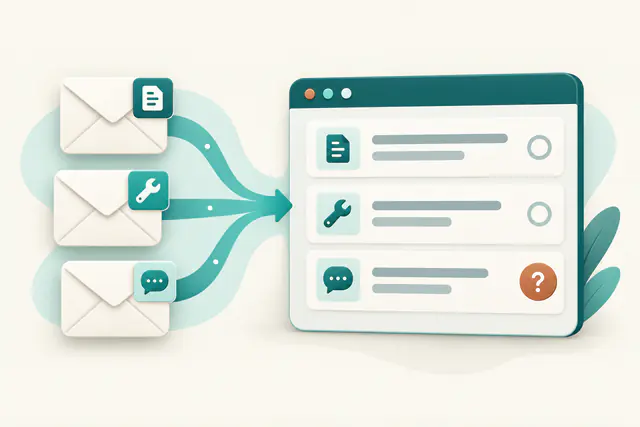
I examine recurring work, manual handovers and typical sources of error. Together we assess which steps fixed rules could simplify and where AI could be a useful addition.
You can define what should be automated and where people decide. We consider ownership, exceptions and review steps alongside connections to existing applications.
Adoption and people
I support adoption through practical workshops and clear guidance on use. Together we clarify which tasks change, how staff use the application and who helps with questions.
The team gains guidance for everyday work: suitable uses, recognisable limits and agreed review steps. Where needed, we agree training separately to suit the tasks and existing knowledge.
Quality and responsible use
I assess AI outputs using typical tasks and difficult exceptions, such as summaries, quotation drafts or answers to document questions. We consider factual accuracy, completeness, appropriate sources and the effort needed for review.
You can judge which tasks the application suits, what needs improving and where your team checks or approves results. This helps clarify limits and necessary review steps before everyday use.
Working together
Working together around your question.
Some questions need a one-off decision, others regular discussion or support during a project. You can start with a single question or agree support across several steps. We agree scope and tasks together.
Orientation and AI strategy
A good fit when
You want to start using AI, build a strategy or clarify a specific question about applications, hardware or operation.
What we do
We clarify goals, workflows and prerequisites, discover possible uses and compare suitable options. This can include using existing technology, choosing new hardware or weighing your own systems against rented ones.
What you can use
You have a reasoned direction, clear priorities and suitable next steps. We agree whether the focus is one decision, the first steps or building your AI strategy.
Ongoing independent AI advice
A good fit when
You need an independent point of contact for recurring AI questions and decisions. Your own IT team or another provider can continue to implement.
What we do
At agreed intervals or when needed, I assess offers, technical recommendations and new requirements, including hardware decisions. I help prepare decisions and coordinate with management, business teams and IT.
What you can use
You can better judge proposals, adjust priorities and clarify next steps with those involved. Scope and availability follow our agreement.
Project guidance and selective implementation
A good fit when
An idea is becoming concrete requirements, system selection or initial implementation steps.
What we do
I help with requirements, solution concepts and coordination with IT and providers. This can include selecting and setting up suitable AI systems and integrating them into existing workflows. I take on technical tasks by agreement.
What you can use
Requirements, ownership and next steps are clarified together. You can prepare implementation and review the results. We explicitly agree who handles operation and support.
Focused starting format
For a clearly defined question: two workshops and a written decision report. We compare suitable options and record the recommendation, prerequisites and open points.
Up to three agreed documents totalling no more than 30 pages.
What you receive
One written decision report with an initial assessment of automation potential.
Define the question
In the first workshop (60 to 90 minutes), we discuss your specific question, how the work currently happens and the challenges you face. We clarify what a useful outcome would look like and which constraints and priorities matter. We also look at recurring tasks, manual handoffs and common sources of error to identify sensible automation opportunities within the agreed workflow.
I then review the agreed documents within the agreed scope to identify relevant information, gaps and open questions. Those findings inform the written decision report.
Inside the report
The process and goal, one to three prioritised approaches to AI support or automation, and an initial assessment of business benefit, effort and feasibility. Prerequisites and document and data readiness are included.
Whether scanned pages need text recognition (OCR), information needs extracting and matching, and results need checking, with paths for human review and clarification.
Local, cloud or hybrid fit, integration and operational requirements, plus security, evidence, recovery and support considerations.
Risks, open questions or a possible no-go, a recommended sequence and the next concrete step for the coming 30 days.
Discuss and agree
In the second workshop (45 to 60 minutes), we discuss the findings and sensible next step. The report follows within ten working days after the first workshop and receipt of the agreed material. Work is remote across the DACH region; terms and invoicing are agreed in the individual proposal.
These three selected examples are a glimpse of the many possible uses of AI and automation in everyday work. Open a case to see its input, process and outcome.
01
Enquiries and quotations
Review enquiries and prepare quotations
Described workflow
Task
An enquiry needs to be checked against approved documents.
Potential benefit
A source-linked draft can help prepare a careful review and decision.
What you’ll see
A described workflow from the incoming enquiry to a sourced draft and human approval.
Experience in product development and practical AI.
I’m Kevin Klein, a Senior AI Product and Platform Engineer. I combine product development, practical work on AI systems and collaboration with business teams. This experience helps me assess requirements, integration effort and the prerequisites for later operation, and check whether recommendations can be put into practice.
AI systems and infrastructure
I plan and build complete AI systems, from choosing suitable models and applications to setting them up and running them. This includes solutions that process documents, make knowledge accessible or create content.
I assess the quality of the results, how the components work together and what is needed to run them. I also compare what can run on an organisation's own systems and when external services make sense. This practical experience helps me assess a solution's suitability, effort and limitations for your tasks realistically.
Products and integration
I have led the development of Android apps and web portals and helped shape their integration with existing systems. This included replacing legacy applications, developing backends and interfaces, and refining user interfaces with the people who use them every day. I have supported these products from initial concept through development to rollout.
Requirements and collaboration
As a Product Owner, I gathered requirements, prioritised roadmaps and backlogs, and coordinated work across business teams, development, IT and external providers. I supported software introductions and international rollouts, coordinated releases, and documented business and technical decisions. My responsibilities included turning differing requirements into actionable work and clarifying ownership with those involved.
My development and testing environment
On my own AI server, I compare and test models, applications and ways to operate them. I investigate how they process documents, create content and work with existing systems, how much computing capacity they need and what running them in everyday use involves.
This helps me assess technical recommendations, hardware needs and ongoing effort in practice.
Technical setup: Professional NVIDIA RTX PRO Blackwell GPUs with a total of 128 GB of GPU memory across three GPUs.
IT consulting, business analysis and IT support add experience of processes and the perspective of end users.
Tell me where you are and what you would like to work through. You do not need a finished project brief. I usually reply within two business days.
In our first conversation, we discuss your starting point and the question you would like help with. We then clarify whether working together would be useful and what scope would make sense.